Introduction
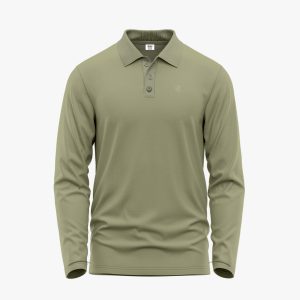
Knit fabrics are among the most popular textile materials used in fashion and home textiles. Known for their softness, stretchability, comfort, and flexibility, knit fabrics are commonly found in T-shirts, sweaters, activewear, dresses, leggings, and undergarments. Unlike woven fabrics, knit fabrics are made by interlocking loops of yarn, which gives them their unique stretch and comfort properties.
However, the same characteristics that make knit fabrics comfortable also make them more vulnerable to stretching, shrinking, pilling, and damage if not cared for properly. Proper fabric care helps maintain the appearance, shape, texture, and durability of knit garments over time. This guide explains the essential steps for caring for knit fabrics to ensure long-lasting performance and quality.
Step 1: Read the Care Label
The first and most important step in knit fabric care is reading the garment’s care label. Different knit fabrics are made from different fibers, such as cotton, wool, polyester, rayon, acrylic, or blends. Each fiber type has specific care requirements.
The care label provides valuable information regarding:
* Washing temperature
* Drying instructions
* Bleaching restrictions
* Ironing temperature
* Dry cleaning recommendations
Following the manufacturer’s instructions can prevent unnecessary damage and help preserve the garment’s quality.
Step 2: Sort Knit Garments Properly
Before washing, sort knit garments according to:
Color
Separate light-colored, dark-colored, and brightly colored garments to prevent color bleeding.
Fabric Type
Heavy knit items, such as sweaters, should be washed separately from lightweight knit garments like T-shirts or leggings.
Soil Level
Highly soiled garments should be washed separately from lightly worn clothing to achieve better cleaning results.
Proper sorting minimizes friction, color transfer, and fabric damage during laundering.
Step 3: Use the Right Washing Method
Hand Washing
Hand washing is often the safest method for delicate knit fabrics, especially wool, cashmere, and fine-gauge knits.
Steps for hand washing:
1. Fill a basin with cool or lukewarm water.
2. Add a mild detergent.
3. Submerge the garment and gently agitate the water.
4. Soak for 10–15 minutes.
5. Rinse thoroughly with clean water.
6. Avoid wringing or twisting the fabric.
Machine Washing
For machine-washable knit fabrics:
1. Turn garments inside out.
2. Place delicate items in a mesh laundry bag.
3. Select a gentle or delicate cycle.
4. Use cold or lukewarm water.
5. Use a mild detergent.
Gentle washing reduces abrasion and helps prevent pilling and stretching.
Step 4: Choose a Suitable Detergent
Selecting the correct detergent is essential for maintaining knit fabric quality.
Recommended detergents include:
* Mild liquid detergents
* Wool-specific detergents for wool knits
* Delicate fabric detergents
Avoid:
* Strong alkaline detergents
* Harsh stain removers
* Excessive bleach
Aggressive chemicals can weaken fibers, fade colors, and reduce fabric lifespan.
Step 5: Avoid Excessive Bleaching
Most knit fabrics should not be exposed to chlorine bleach. Bleach can weaken fibers and cause discoloration.
If whitening or stain removal is necessary:
* Use oxygen-based bleach when permitted.
* Follow label instructions carefully.
* Test on an inconspicuous area first.
Proper stain treatment is safer than routine bleaching.
Step 6: Remove Stains Immediately
Prompt stain treatment prevents permanent marks and fabric damage.
Common stain removal steps:
1. Blot the stain gently.
2. Do not rub aggressively.
3. Apply a mild stain remover or detergent solution.
4. Allow it to sit for a few minutes.
5. Wash according to care instructions.
Different stains may require specialized treatments, but immediate action improves the likelihood of complete removal.
Step 7: Dry Knit Fabrics Correctly
Drying is one of the most critical stages in knit fabric care.
Avoid Wringing
Never twist or wring knit garments. This can distort the loop structure and permanently stretch the fabric.
Remove Excess Water
Gently press the garment between clean towels to absorb moisture.
Flat Drying Method
For sweaters and delicate knit garments:
1. Lay the garment flat on a clean towel.
2. Reshape it to its original dimensions.
3. Allow it to air dry naturally.
Flat drying prevents stretching and helps maintain garment shape.
Hanging Precautions
Avoid hanging heavy wet knit garments because the weight of water can cause elongation and distortion.
Step 8: Protect Against Shrinkage
Some knit fabrics, particularly cotton and wool knits, are prone to shrinkage.
To minimize shrinkage:
* Use cold water whenever possible.
* Avoid high dryer temperatures.
* Follow label recommendations.
* Reshape garments while damp.
Controlled washing and drying significantly reduce dimensional changes.
Step 9: Prevent Pilling
Pilling occurs when loose fibers form small balls on the fabric surface due to friction.
Ways to reduce pilling:
* Wash garments inside out.
* Use gentle wash cycles.
* Avoid overloading the washing machine.
* Separate rough fabrics from delicate knits.
* Minimize rubbing during wear and laundering.
If pilling occurs, use a fabric shaver or sweater comb to restore a smooth appearance.
Step 10: Iron Carefully
Many knit fabrics require little ironing because of their natural flexibility. However, wrinkles may occasionally develop.
Ironing guidelines:
* Use the temperature recommended on the care label.
* Turn garments inside out when possible.
* Use a pressing cloth for delicate knits.
* Avoid excessive pressure.
* Use steam settings when appropriate.
Excessive heat can flatten texture, melt synthetic fibers, or cause fabric shine.
Step 11: Store Knit Garments Properly
Proper storage helps maintain shape and appearance.
Folding
Most knit garments should be folded rather than hung. Hanging may stretch shoulders and alter garment shape.
Clean Before Storage
Always wash or clean garments before long-term storage to prevent stains and odors from setting.
Use Breathable Storage
Store garments in:
* Cotton garment bags
* Fabric storage containers
* Clean drawers or shelves
Avoid sealed plastic bags that can trap moisture and encourage mildew growth.
Step 12: Protect Against Moths and Pests
Natural fiber knits such as wool and cashmere can attract moths and insects.
Protect garments by:
* Keeping storage areas clean.
* Using cedar blocks or lavender sachets.
* Inspecting garments regularly.
* Storing items in pest-resistant containers.
Preventive measures are more effective than dealing with infestations later.
Step 13: Handle Delicate Knit Fabrics with Extra Care
Certain knit fabrics require specialized care.
Wool Knits
* Use wool-safe detergent.
* Wash in cool water.
* Dry flat.
Cashmere Knits
* Hand wash gently.
* Avoid frequent washing.
* Store folded.
Synthetic Knits
* Use low heat settings.
* Avoid excessive ironing.
* Follow manufacturer instructions.
Understanding fiber characteristics helps maintain garment quality.
Step 14: Perform Regular Maintenance
Routine maintenance extends the lifespan of knit garments.
Recommended practices include:
* Checking for loose threads.
* Removing pills promptly.
* Repairing small holes early.
* Cleaning stains immediately.
* Rotating garments during wear.
Regular care prevents minor issues from becoming major problems.
Conclusion
Knit fabrics provide exceptional comfort, softness, flexibility, and versatility, making them a preferred choice for a wide range of apparel and textile products. However, maintaining their appearance and performance requires proper care throughout washing, drying, ironing, and storage.
By following a systematic care routine—reading care labels, washing gently, drying correctly, preventing shrinkage and pilling, and storing garments properly—users can significantly extend the life of knit fabrics. Consistent maintenance not only preserves fabric quality but also ensures that knit garments remain attractive, comfortable, and functional for years to come.